How to Use Positions in Joomla

how to use joomla positions

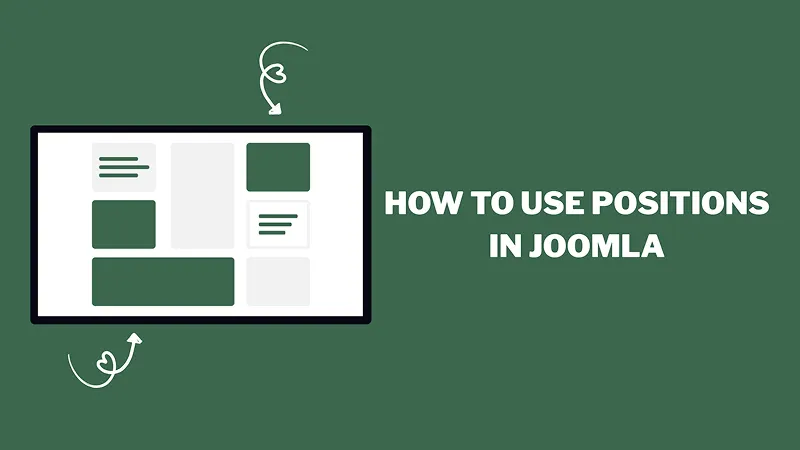
In Joomla, positions are areas in your template where modules can be displayed. Think of them as placeholders in your website layout - like header, sidebar, footer, or top bar. If you want to control where things appear on your site (menu, login form, banners, contact info, etc.), understanding module positions is essential.

What Are Positions in Joomla?

A position is a predefined location inside a Joomla template where you can publish a module.

  • header;
  • top;
  • menu;
  • sidebar;
  • footer;
  • bottom.

Each template has its own set of available positions.

What Is a Module?

A module is a small content block that can be placed in a position.

Examples of modules:

  • Main Menu;
  • Login Form;
  • Search Bar;
  • Custom HTML block;
  • Latest Articles;
  • Contact Info.

Modules + Positions = Website Layout.

How to See Available Positions

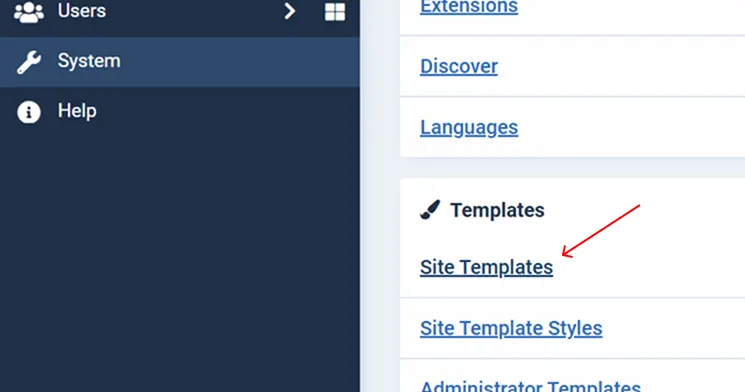
  • Go to: Administrator
  • Click: SystemSite Templates.
  • joomla positions to site templates joomla positions to site templates
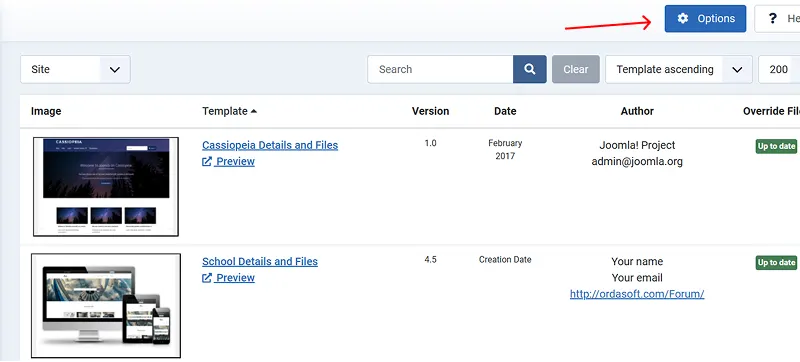
  • Click: Options.
  • joomla positions templates options joomla positions templates options
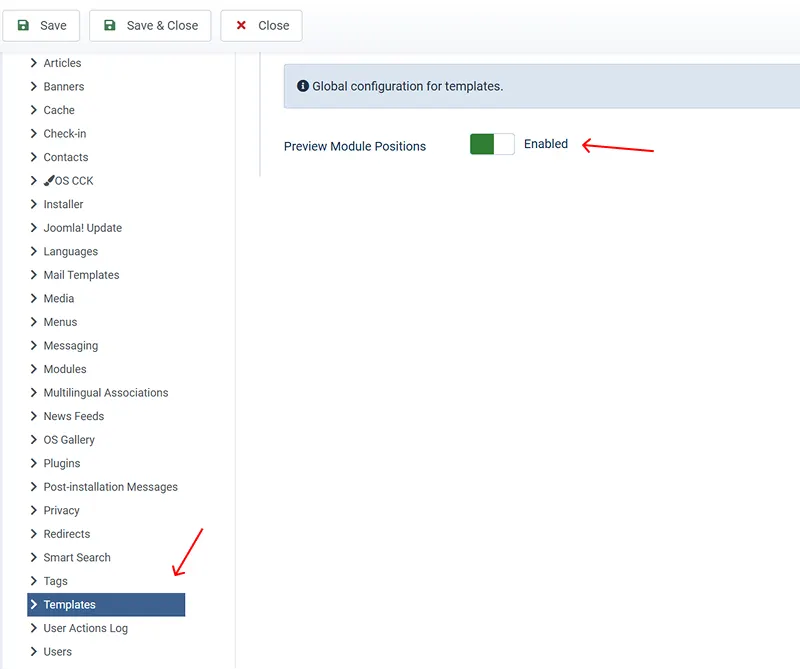
  • Enable Preview Module Positions.
  • joomla positions enable module positions joomla positions enable module positions
  • Save
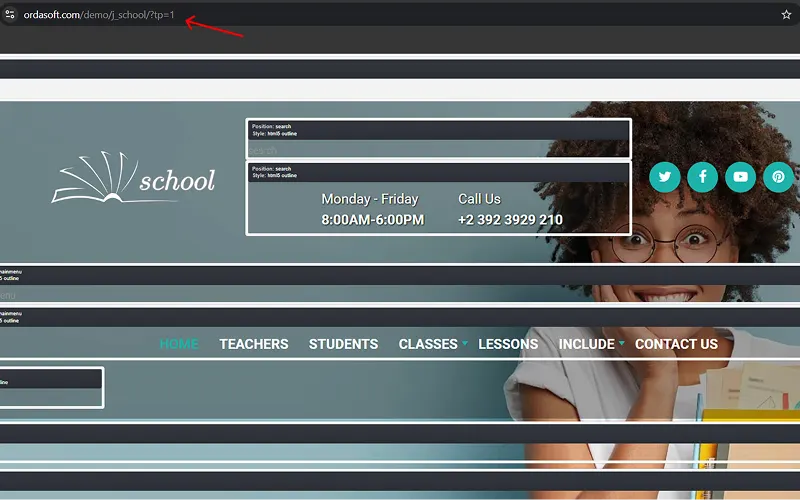
  • Add: "?tp=1" to your website URL. (yourwebsite.com/?tp=1).
  • joomla positions url joomla positions url

You'll now see all available positions visually on your site.

How to Assign a Module to a Position

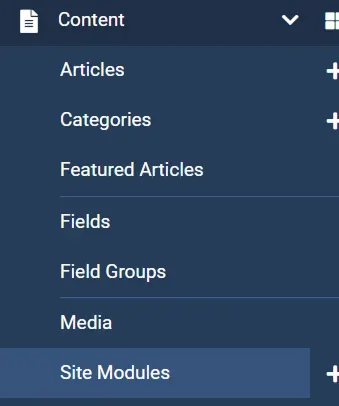
  • Go to ContentSite Modules.
  • joomla positions site modules joomla positions site modules
  • Click: New.
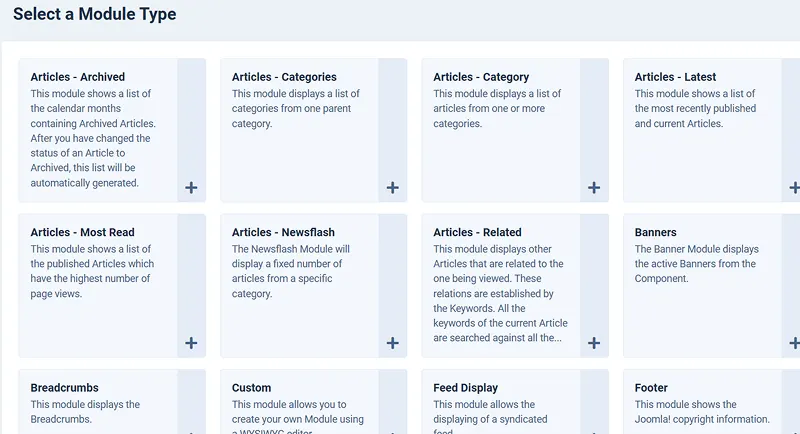
  • Choose a module type (example: Custom, Menu, Articles).
  • joomla positions module type joomla positions module type
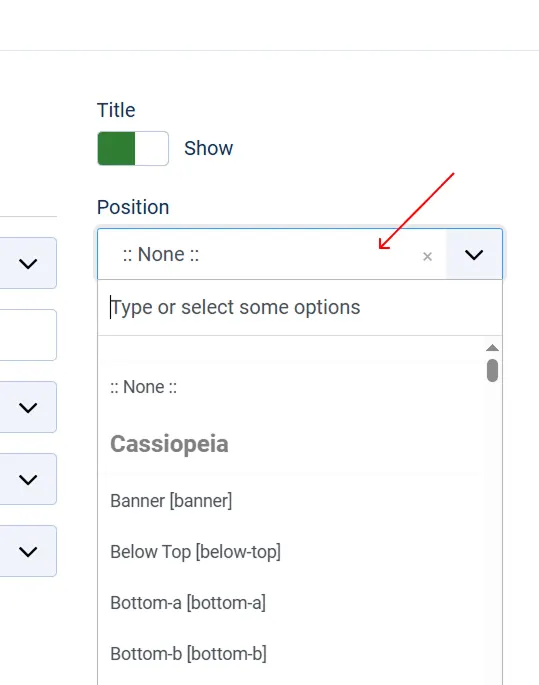
  • In the Position field select a position from dropdown or type the position name manually.
  • joomla positions module position choose joomla positions module position choose
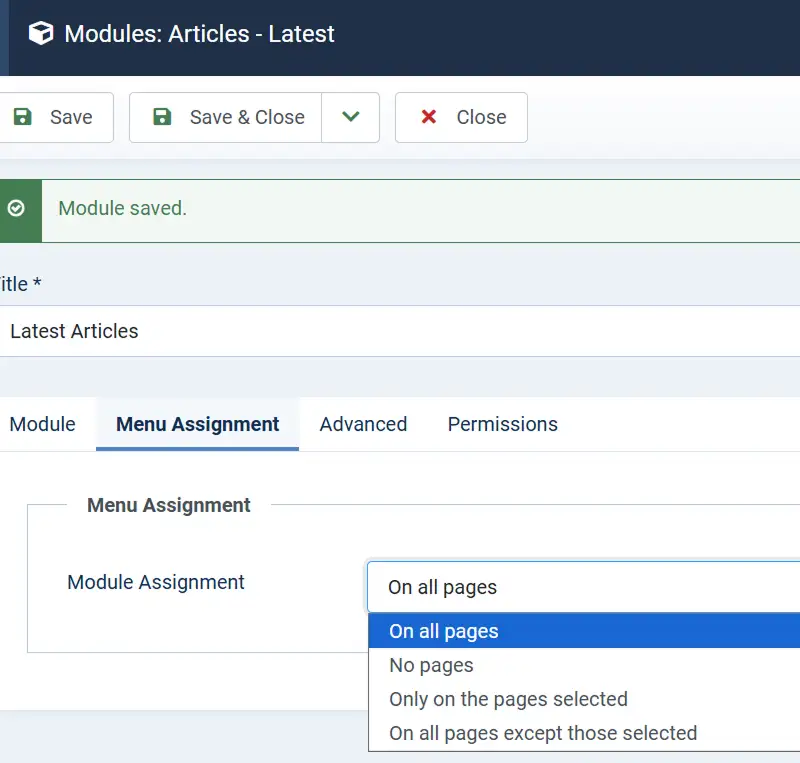
  • Choose menu assignment (where it should appear).
  • joomla positions module assignment joomla positions module assignment
  • Click: Save & Close.

Your module will now appear in that position.

Example: Add Content to Sidebar.

  • Create a Custom Module.
  • Select position: 'sidebar' (or similar).
  • Add your content.
  • Save.

Now your content appears in the sidebar.

Custom Positions

If you need a new position:

Open your template's 'templateDetails.xml'. Add xml:

<position><newposition</position>

Add the position in your template 'index.php'. Clear cache. This is more advanced but useful for custom designs.

Other Joomla Documentation:

Ordasoft website development company


How to Use Tags in Joomla

how to use joomla tags

Joomla Tags help you organize content in a flexible way. Unlike Joomla Categories where an article belongs to only one category, tags allow you to connect content across different categories. An article in the News category and another in the Tutorials category can both have the tag "Joomla". This makes it easier for users to find related content.

What Are Tags in Joomla?

Tags are keywords you assign to content. They help to Group related articles, Improve website navigation, Improve internal linking, Support SEO, Create tag-based content pages. Tags work across: Articles, Contacts, News Feeds, Banners, Many third-party extensions.

Categories vs Tags

Categories:

  • Required (1 per article);
  • Structured hierarchy;
  • Organize main content sections.

Tags:

  • Optional;
  • Flexible grouping;
  • Connect related topics.

Categories as folders and tags as labels.

How to Create Tags in Joomla

  • Go to: Administrator Panel.
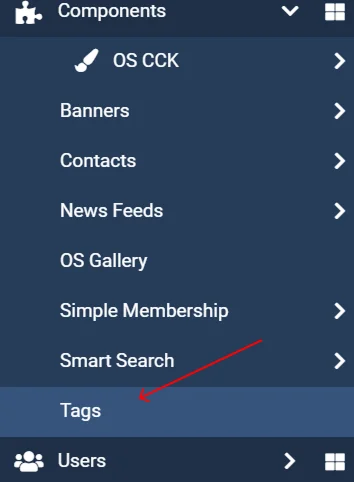
  • Click: ContentTags.
  • joomla tags to tags joomla tags to tags
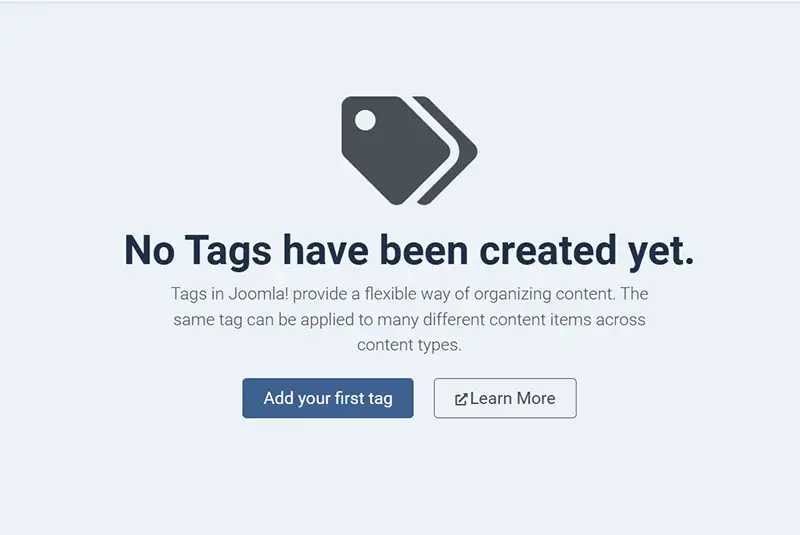
  • Click: New.
  • joomla tags create tags joomla tags create tags
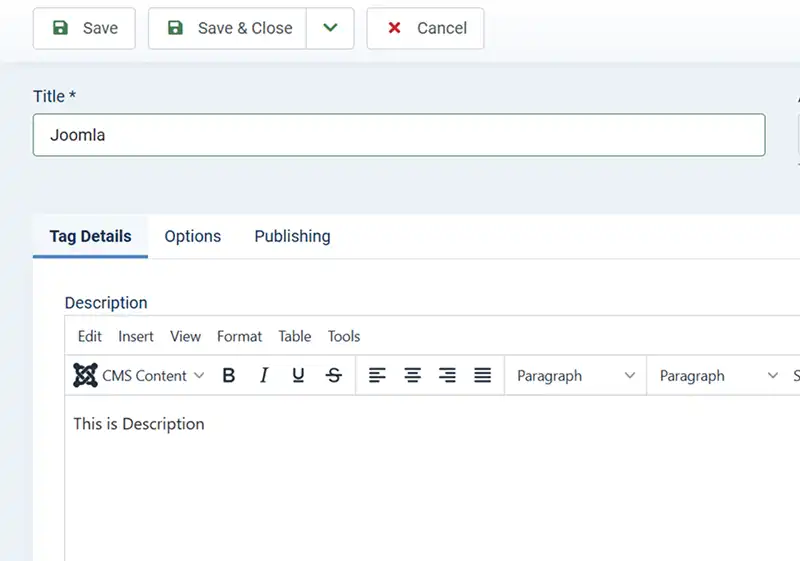
  • Enter: Title (e.g., "Joomla Tips"), Description (optional).
  • joomla tags title description joomla tags title description
  • Click Save & Close.

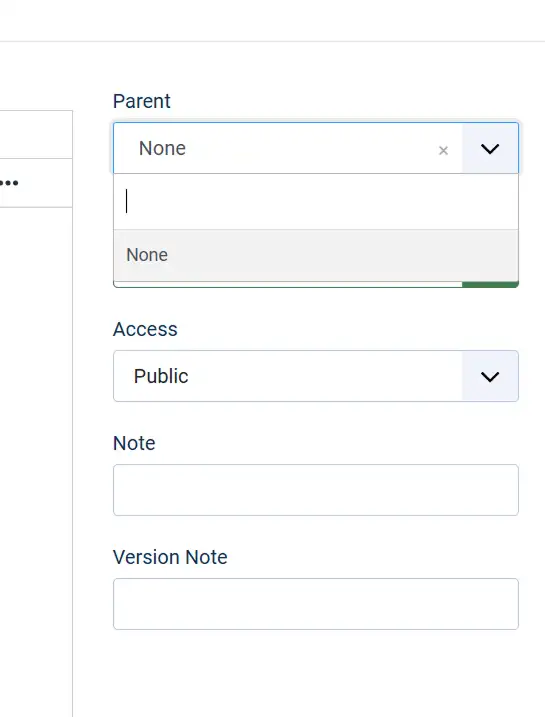
You can also create nested (parent/child) tags if needed.

joomla tags parent joomla tags parent

How to Add Tags to Articles

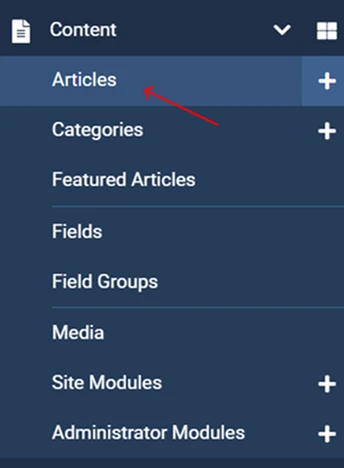
  • Go to: ContentArticles.
  • joomla tags to articles joomla tags to articles
  • Create or open an article.
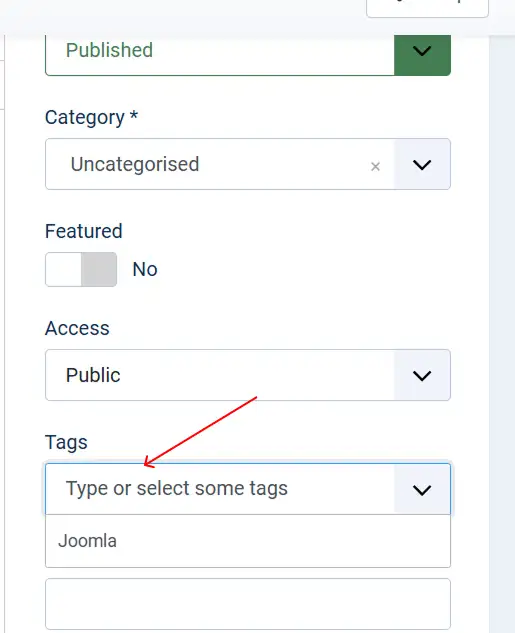
  • On the right side, find the Tags field.
  • joomla tags select tags joomla tags select tags
  • Start typing the tag name.
  • Select existing tag or create a new one.
  • Save the article.

Now the article is connected to that tag.

How to Display Tagged Content on Your Website

You can create menu items that show content based on tags.

Create a Tag Menu Link:

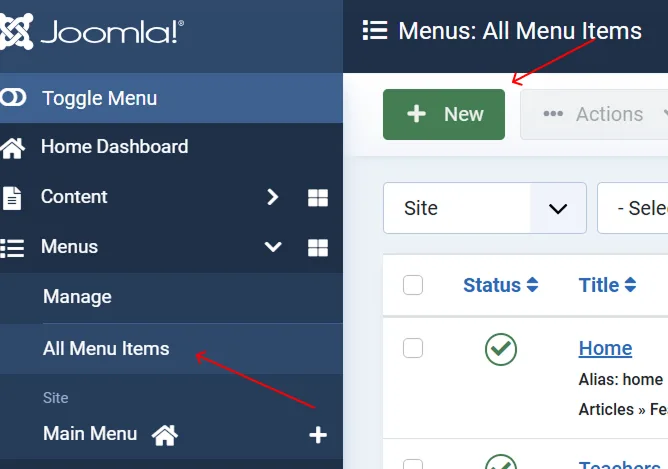
  • Go to: MenusYour MenuNew.
  • joomla tags menu items joomla tags menu items
  • Click: Select.
  • joomla tags select menu type joomla tags select menu type
  • Choose: Tagged Items, List All Tags.
  • joomla tags menu type tags joomla tags menu type tags
  • Select the tag.
  • Save.

This will create a page showing all articles with that tag.

How Tags Help SEO

Tags improve SEO by creating internal linking between related articles, Making content easier to discover, Improving site structure, Increasing time spent on site. But don't overuse them. Too many unnecessary tags can create thin content pages.

  • Use tags for cross-topic connections;
  • Keep tag names clear and simple;
  • Avoid creating too many similar tags;
  • Don't duplicate categories as tags;
  • Use 3-5 relevant tags per article.

Tags in Joomla are a powerful tool for organizing and connecting content beyond categories. They improve navigation, user experience, and SEO when used correctly. If categories build the structure of your website, tags create the connections.

Other Joomla Documentation:

Ordasoft website development company


Joomla Overrides

Joomla Overrides

Overrides are one of Joomla's most powerful features. They allow you to customize how content looks on your website 'without changing core files'. This means your customizations stay safe when Joomla, templates, or extensions are updated. Overrides are needed if you want full control over design and layout.

What Are Overrides in Joomla?

An 'override' is a copy of a core or extension layout file that you edit inside your template. Joomla uses your custom version instead of the original one.

  • Original file stays untouched;
  • Updates won't overwrite your changes;
  • You control the HTML structure and layout.

Overrides are mainly used for: Articles, Categories, Modules Components, Extensions.

Why Use Overrides?

Overrides help you to change HTML structure, add or remove elements, customize layouts, improve design flexibility, avoid hacking core files.

Where Overrides Are Stored

Overrides are saved inside your template folder:

/templates/your_template/html/

Each component, module, or layout has its own subfolder.

/templates/your_template/html/com_content/

How to Create Overrides (The Easy Way)

Joomla lets you create overrides directly from the admin panel.

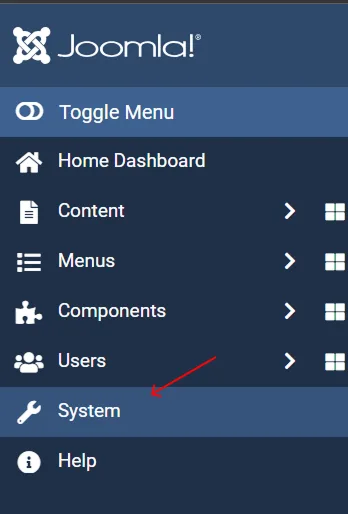
  • Go to 'Administrator → System';
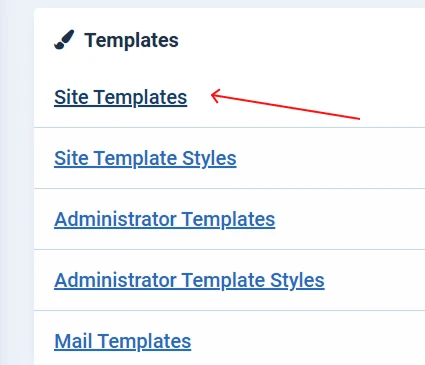
  • Click 'Site Templates';
  • joomla overrides to system joomla overrides to system
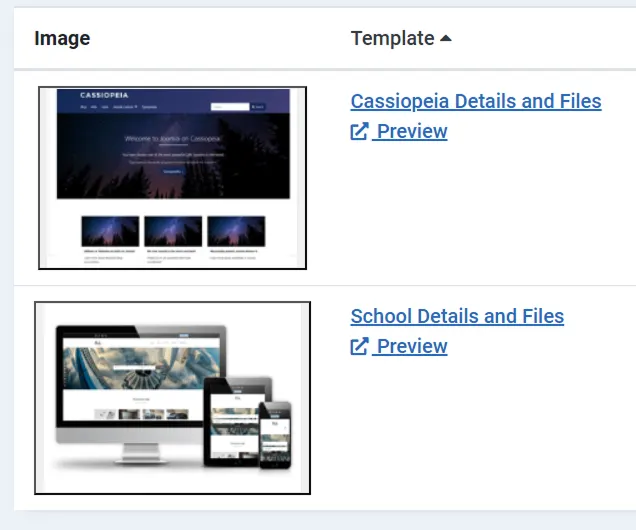
  • Select your 'active template';
  • joomla overrides site templates joomla overrides site templates
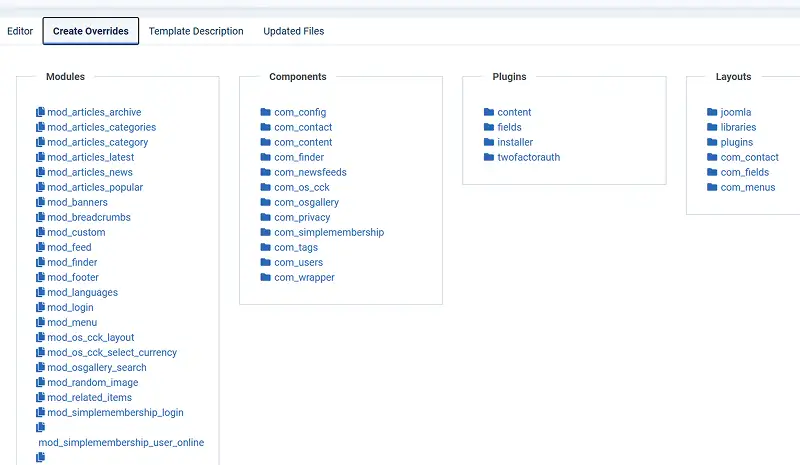
  • Open the 'Create Overrides' tab;
  • Choose what you want to override;
  • Click the item you want.

You can override: Components (Articles, Categories, etc.), Modules, Layouts.

Common Overrides Examples

1. Article Override. Used to change how articles look.

/html/com_content/article/

You can edit: Title placement, Metadata display, Images, Custom HTML structure.

2. Category Blog Override. Used to customize blog layouts.

/html/com_content/category/

Great for: Custom grids, Card layouts, Modern blog designs.

3. Module Override. Used to change module output.

/html/mod_module_name/

  • Custom menu layouts;
  • Styled login modules;
  • Custom sliders.

4. Layout Overrides. Joomla allows layout overrides without touching PHP logic.

  • Small layout changes;
  • Cleaner customization;
  • Faster development.

Editing Override Files

Once created:

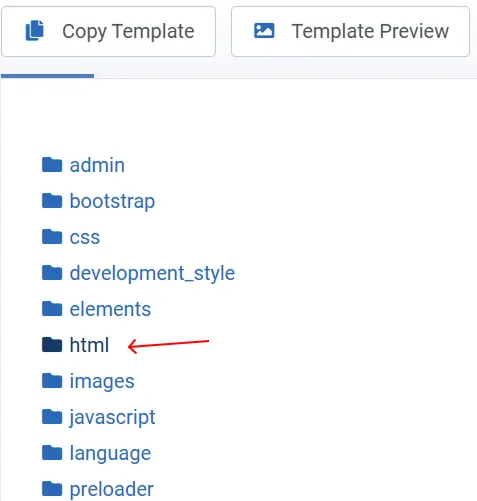
  • Go to 'System → Site Templates';
  • Open your template;
  • Navigate to 'html/' folder;
  • Edit the override files using the built-in editor or FTP.

Always back up before editing.

Tips for Overrides

  • Use overrides instead of editing core files;
  • Comment your code;
  • Keep overrides organized;
  • Test changes after updates;
  • Avoid unnecessary overrides.

When NOT to Use Overrides

  • For simple styling → use CSS;
  • For content changes → use articles/modules;
  • For logic-heavy changes → consider plugins or extensions;

Overrides vs Template Overrides vs Layout Overrides

  • Component Override → Change full layouts;
  • Module Override → Customize modules;
  • Layout Override → Small layout tweaks;
  • CSS → Styling only.

Overrides give you 'full control over Joomla layouts' while keeping your site safe and update-proof. Once you understand overrides, Joomla becomes extremely flexible. Perfect for custom designs and professional websites.

Other Joomla Documentation:

Ordasoft website development company


Categories in Joomla

categories in joomla

Categories are one of the core building blocks of Joomla. They help you organize content, keep your website structured, and make it easier for visitors (and search engines) to find information. Whether you're running a blog, business website, or online catalog, understanding how categories work in Joomla is essential.

What Are Categories in Joomla?

In Joomla, categories are containers used to organize content such as articles, contacts, banners, or even custom items created by extensions. Just like folders that group related content together.

A blog website might have categories like News, Tutorials and Reviews.

A business website could use categories such as Services, Projects and Case Studies.

A real estate website may use categories like Houses, Apartments and Commercial Properties.

Categories can also be nested, meaning you can create parent and child categories for better organization.

Why Categories Are Important

Using categories properly helps you:

  • Keep content well-organized;
  • Create clean and logical menus;
  • Improve user experience;
  • Improve SEO and site structure;
  • Manage large amounts of content easily;

How to Create Categories in Joomla

  1. Log in to the Joomla Administrator Panel.
  2. Go to: ContentCategories.
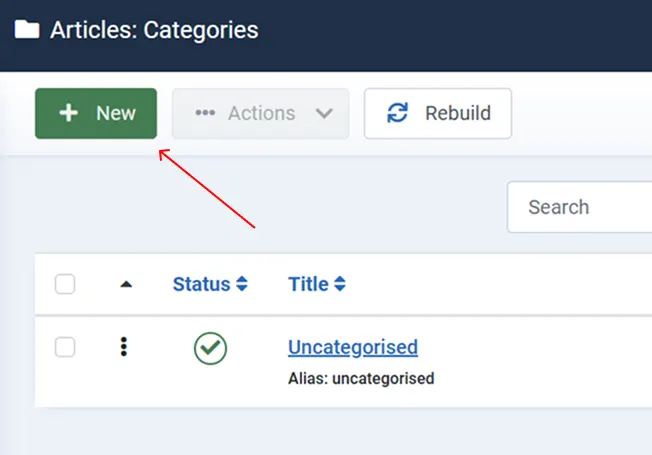
  3. joomla categories to categories joomla categories to categories
  4. Click New.
  5. Enter the category Title.
  6. joomla categories title joomla categories title
  7. Choose a Parent Category (optional).
  8. Add a description if needed.
  9. joomla categories description joomla categories description
  10. Click Save & Close.

You can repeat this process to create multiple categories and subcategories.

How to Use Categories with Articles

Once categories are created, you can assign them to articles:

  1. Go to: ContentArticles.
  2. Click New or open an existing article.
  3. Select a Category from the dropdown menu.
  4. joomla categories choose category joomla categories choose category
  5. Save the article

Every article must belong to one category, which helps Joomla organize and display content properly.

Displaying Categories on Your Website

Categories become really powerful when combined with menu items.

Common Menu Options Using Categories:

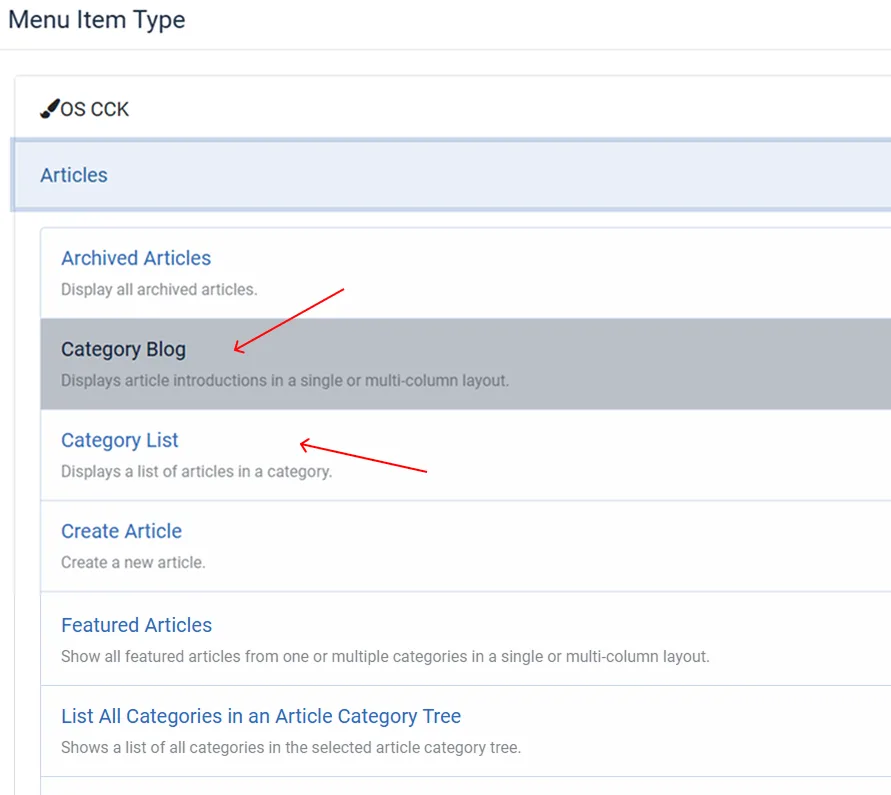
Category Blog - Displays articles from a category in a blog-style layout.

Category List - Shows a list of articles in a category.

List of All Categories - Displays parent and child categories.

To create a menu link:

      Go to: MenusYour MenuNew.
      Select a Menu Item Type.
    joomla categories menu item type joomla categories menu item type
      Choose a category-based layout.
    joomla categories menu category blog joomla categories menu category blog
      Select the category you want to display.
      Save.

This allows visitors to easily browse your content by topic.

Learn More about Joomla Menu

Using Nested Categories

Joomla allows unlimited category levels, which is useful for larger websites.

Example:

BlogTutorialsJoomla or WordPressNews.

This structure keeps content clean and easy to manage, especially when your site grows.

Categories Beyond Articles

Categories are not limited to articles. Joomla uses them in: Contacts, Banners, News Feeds, Extensions (eCommerce, Real Estate, Portfolio, etc.)

Many Joomla extensions rely heavily on categories for organizing items, products, or listings.

SEO Benefits of Categories

Categories help with SEO by Creating logical URLs, Grouping related content, Improving internal linking, Making it easier for search engines to understand your site structure. Well-structured categories can improve rankings and user engagement.

Best Practices for Using Categories

  • Don't create too many categories at once;
  • Use clear and descriptive names;
  • Plan your category structure before adding content;
  • Use subcategories only when necessary;
  • Keep category names SEO-friendly.

Categories are a powerful and essential feature in Joomla. They help you organize content, improve navigation, and build scalable websites that are easy to manage. Whether you're a beginner or an advanced user, mastering categories will make your Joomla site more professional, user-friendly, and search-engine optimized. If you plan your categories wisely, Joomla will handle the rest.

Other Joomla Documentation:

Ordasoft website development company


Debugging in Joomla

joomla debugging

Joomla is a powerful and flexible content management system (CMS) used by millions of websites worldwide. Like any software, however, Joomla websites can encounter errors or unexpected behavior. Whether you are building custom extensions, modifying templates, or maintaining an existing site, knowing how to debug Joomla effectively is an essential skill.

This article will guide you through Joomla's built-in debugging tools, useful extensions, and general best practices for troubleshooting issues on your Joomla site.

Enable Joomla Debug Mode

Joomla comes with a built-in Debug System, which provides helpful diagnostic information:

1. Log in to: Joomla Administrator panel.

2. Go to SystemGlobal Configuration.

joomla debugging global configuration

3. Under the System tab, find Debug Settings.

joomla debugging system

4. Set Debug System to Yes.

5. Save your changes.

When enabled, Joomla will display detailed information about database queries, memory usage, and loaded language files at the bottom of each page.

Important: Only enable Debug Mode on a development or staging site. On a live site, it can expose sensitive information to the public.

Enable Error Reporting

Another key tool is Joomla's Error Reporting setting. It controls how much PHP error information is displayed.

1. Go to: SystemGlobal ConfigurationServer tab.

joomla debugging error reporting

2. Find the Error Reporting settings.

3. Select Maximum (or Development) for the most detailed error messages.

joomla debugging error reporting to maximum

4. Save your changes.

This will show PHP notices, warnings, and fatal errors that can help you identify the root cause of a problem.

PHP Error Logs and Xdebug

For deeper debugging, use server-side PHP tools:

PHP error logs: Check your hosting control panel for PHP logs.

Xdebug: A PHP extension that provides advanced stack traces and works with IDEs (like PhpStorm or Visual Studio Code) for step-by-step debugging.

Xdebug can be invaluable when you need to trace complex bugs in Joomla components or extensions.

Xdebug PHP extension may turn on only at Hosting. It turn on only for Development environment.

Errors 403 and 404 in Joomla

When working with Joomla, you might sometimes see a 403 error or 404 error. A these errors is usually easy to diagnose once you understand what it means.

In Joomla, this can happen in both the frontend (public-facing site) and the backend (administrator panel).

Joomla Errors is can happen when:

  • Trying to access restricted content without proper credentials;
  • Incorrect file/folder permissions on the server;
  • Security extensions blocking access;
  • Misconfigured .htaccess rules;
  • Broken component or plugin permissions

Having an error.php file in your Joomla template is crucial for proper error handling and debugging. This file controls how errors are displayed to users and administrators. You may change what your clients see: if you change this file.

joomla debugging error file

On your website you see 403 error or 404 error when you not "turn on" the "SystemGlobal ConfigurationServer tab" .

When you "turn on" SystemGlobal ConfigurationServer tab - you see error details

joomla debugging error show

When you not see error details when you turn on debug mode - this mean: you have incorrect error.php file. So best will replace your template error.php file by "Joomla default error.php" file from: "{your website}/templates/cassiopeia/error.php"

Important: For errors report in "joomla admin part" responsible the file: "{your website}/administrator/templates/atum/error_full.php"

When Joomla Error occurs, error.php helps by:

  • Providing more detailed error information than the generic Error page;
  • Allowing administrators to see debugging information while showing users a friendly message;
  • Helping identify the exact cause of the permission issue.

Errors in Joomla

When working with Joomla, you might sometimes see a 403 - Forbidden error and 404 - Page Not Found error . A Joomla error is usually easy to diagnose once you understand what it means. A 403 error and 404 error are HTTP status codes that means your server understood the request, but it's refusing to allow it.

In Joomla, this can happen in both the frontend (public-facing site) and the backend (administrator panel).

What is Joomla Error 404?

Joomla Error 404 is a "Web Page not found" error that occurs when a user attempts to access a web page and this page don't exist or Server can't show it.

How to Fix Joomla 403 Error

  • Turn on "Debug Mode and Maximum report in Global settings"
  • Check files which you see in Error details

What is Joomla Error 403?

Joomla Error 403 is a "Forbidden Access" error that occurs when a user attempts to access a resource they don't have permission to view.

How to Fix Joomla 403 Error

  • Turn on "Debug Mode and Maximum report in Global settings"
  • Check file permissions: Ensure files are 644 and folders are 755;
  • Review .htaccess: Temporarily rename to see if it's causing the issue;
  • Check user permissions: Verify user groups have proper access rights;
  • Disable security extensions: Temporarily disable security plugins to test;
  • Clear cache: Both Joomla and browser cache;
  • Check component settings: Some components have their own ACL settings;

Always ensure this file exists and is properly configured in your Joomla template.

General Debugging Best Practices

  • Always back up your site before debugging.
  • Work on a development/staging environment instead of live sites.
  • Use version control (Git) to track code changes.
  • When reporting bugs to the Joomla community or extension developers, provide clear error messages and steps to reproduce the issue.

Debugging is an essential part of Joomla development and maintenance. By using Joomla's built-in tools, error reporting, logging, and third-party extensions, you can systematically identify and resolve problems.

Remember that careful debugging not only fixes issues, it also helps you better understand how Joomla works and improves the overall quality of your site.

Other Joomla Documentation:

Ordasoft website development company


Page 1 of 8

»